

Nutrition, Aging, and Longevity: What the Research Really Shows
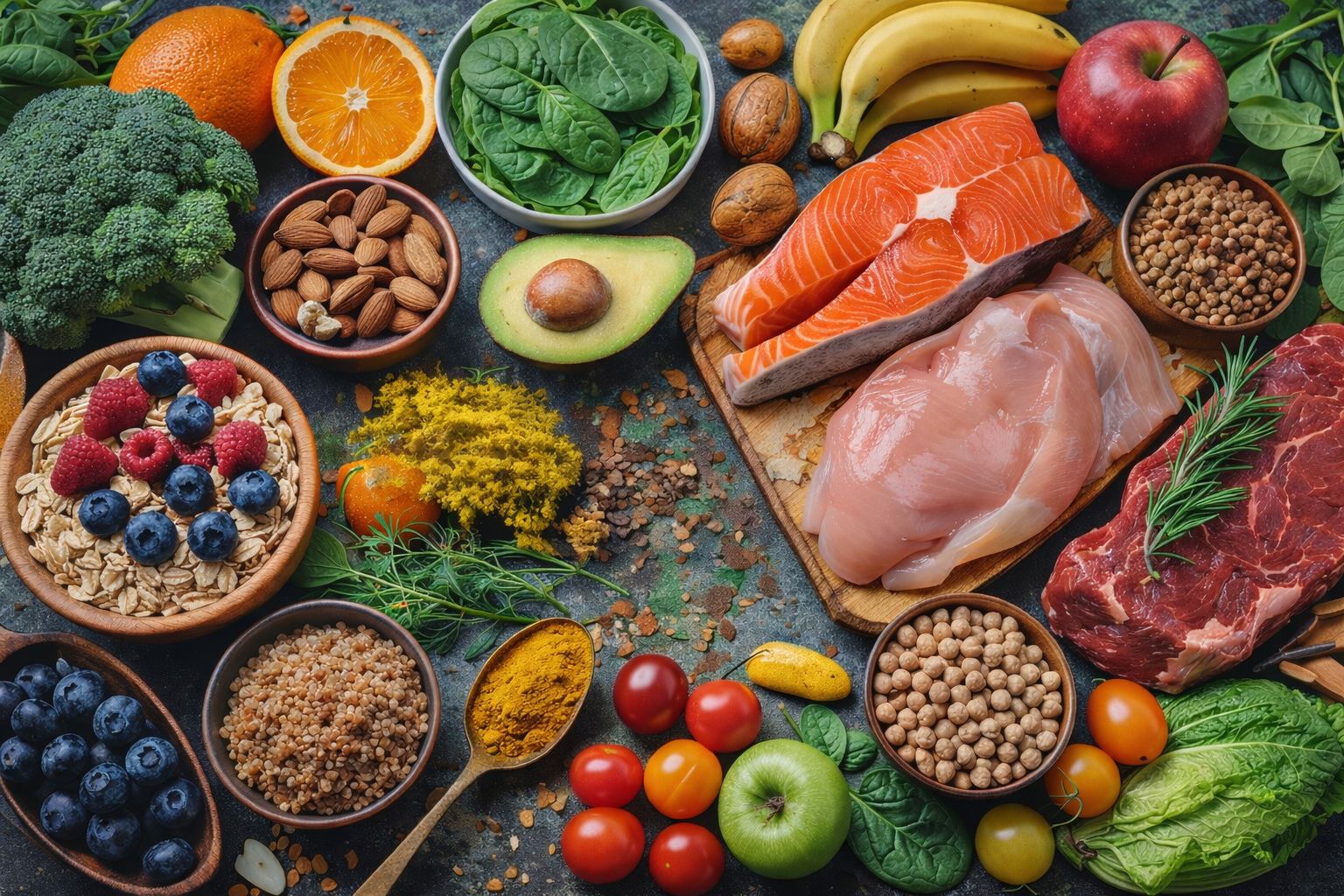
Nutrition is not just fuel. It is biological instruction.
A 2022 scientific review published in Nutrients examined how diet, food quality, and eating patterns influence aging, metabolic function, and long-term health outcomes¹. The central message is straightforward:
What we eat shapes how we age.
The Bigger Picture: Food as a Longevity Factor
The authors emphasize that longevity is built on three primary pillars¹:
• Nutrition
• Physical activity
• Mental engagement
Diet does not work alone. It works alongside movement, sleep, and daily habits. When these systems align, health outcomes improve more significantly than when any one variable is addressed in isolation.
Beyond Calories: Food Is Biological Information
The review challenges the idea that nutrition is simply about counting macronutrients. While protein, carbohydrates, and fats matter, overall dietary patterns matter more¹.
Whole foods provide complex biological signals that influence:
• Inflammation
• Metabolism
• Cellular repair
• Stress resistance
Food processing can alter how nutrients interact with the body. This means chasing single “superfoods” is less effective than building consistent, balanced eating patterns over time.
Nutrition and Biological Aging
The research highlights how diet influences key processes tied to aging¹, including:
• Oxidative stress regulation
• Cellular repair mechanisms
• Inflammatory balance
• Immune function
• Hormonal signaling
Adequate intake of high-quality protein, essential fatty acids, fiber, vitamins, and minerals supports metabolic resilience and cellular maintenance. In contrast, highly processed, nutrient-poor diets may accelerate biological decline.
Eating Patterns and Metabolic Health
The review also discusses structured eating patterns, including time-restricted eating, and their potential role in improving¹:
• Glucose tolerance
• Body composition
• Insulin sensitivity
• Metabolic efficiency
Consistency in meal timing may help regulate circadian rhythm and metabolic signaling. Nutrition is not only about what you eat, but also when and how consistently you eat.
Lifestyle Integration: Diet and Movement
One of the strongest conclusions in the paper is that diet should not be separated from physical activity¹.
Healthy aging is best supported when nutrient-dense eating is combined with:
• Resistance training
• Cardiovascular activity
• Quality sleep
• Ongoing cognitive engagement
When these factors work together, they produce compounding benefits for long-term health and performance.
Practical Takeaways
Based on this research:
• Prioritize minimally processed, nutrient-dense whole foods
• Maintain consistent meal timing
• Align nutrition with training demands
• Avoid extreme dietary trends lacking long-term evidence
• Treat diet as part of a broader lifestyle system
Final Perspective
Longevity is not built from a single supplement or short-term diet strategy. It is built from consistent, sustainable behaviors repeated over time.
Food is not just energy. It is information that communicates with your cells daily. When nutrition supports movement, recovery, and metabolic stability, it becomes a foundational driver of long-term performance and health.
Reference
¹ Rattan SIS, Kaur G. Nutrition, Food and Diet in Health and Longevity: We Eat What We Are. Nutrients. 2022.
https://www.ncbi.nlm.nih.gov/pmc/articles/PMC9785741/
