

Upper & Lower Body PAP Training for Strength and Explosive Power
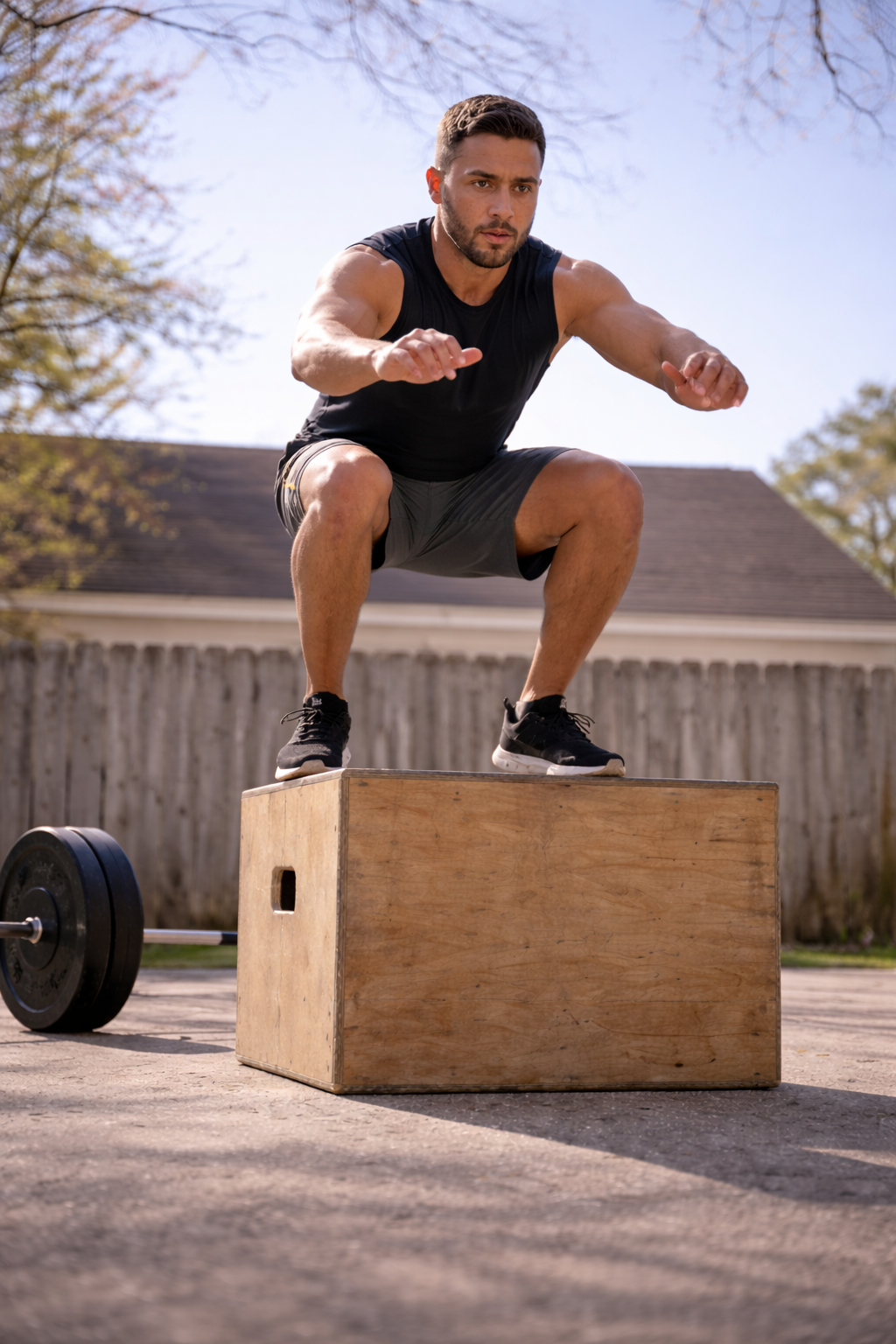
Athlete performing a box jump on a wooden platform outdoors, demonstrating explosive lower body power.
PAP training pairs a heavy strength movement with an explosive movement in a similar pattern. NASM describes post-activation potentiation as an acute excitation of the neuromuscular system that can improve subsequent explosive performance.
This workout is built for strength, power, and athletic output.
Who This Workout Is For
This is an advanced workout. It is best for experienced lifters and athletes who already have a solid foundation of stability, strength, movement quality, and recovery capacity. NASM’s OPT model progresses through five phases in order: Stabilization Endurance, Strength Endurance, Muscular Development/Hypertrophy, Maximal Strength, and Power. NASM also says training should be progressed appropriately through those phases to maximize results and reduce injury or overtraining risk.
Why Progression Matters
Before using advanced heavy-and-explosive pairings like this, the body should be built up through the earlier phases first:
Phase 1: Stabilization Endurance (4-6 Weeks)
Builds balance, control, stability, and movement quality
Phase 2: Strength Endurance (4-6 Weeks)
Builds strength with continued stabilization demands
Phase 3: Muscular Development/Hypertrophy (4-6 Weeks)
Builds more muscle and prepares the body for heavier loading
Once that foundation is in place, the body is better prepared for the demands of advanced strength and power work.
Upper Body PAP Training
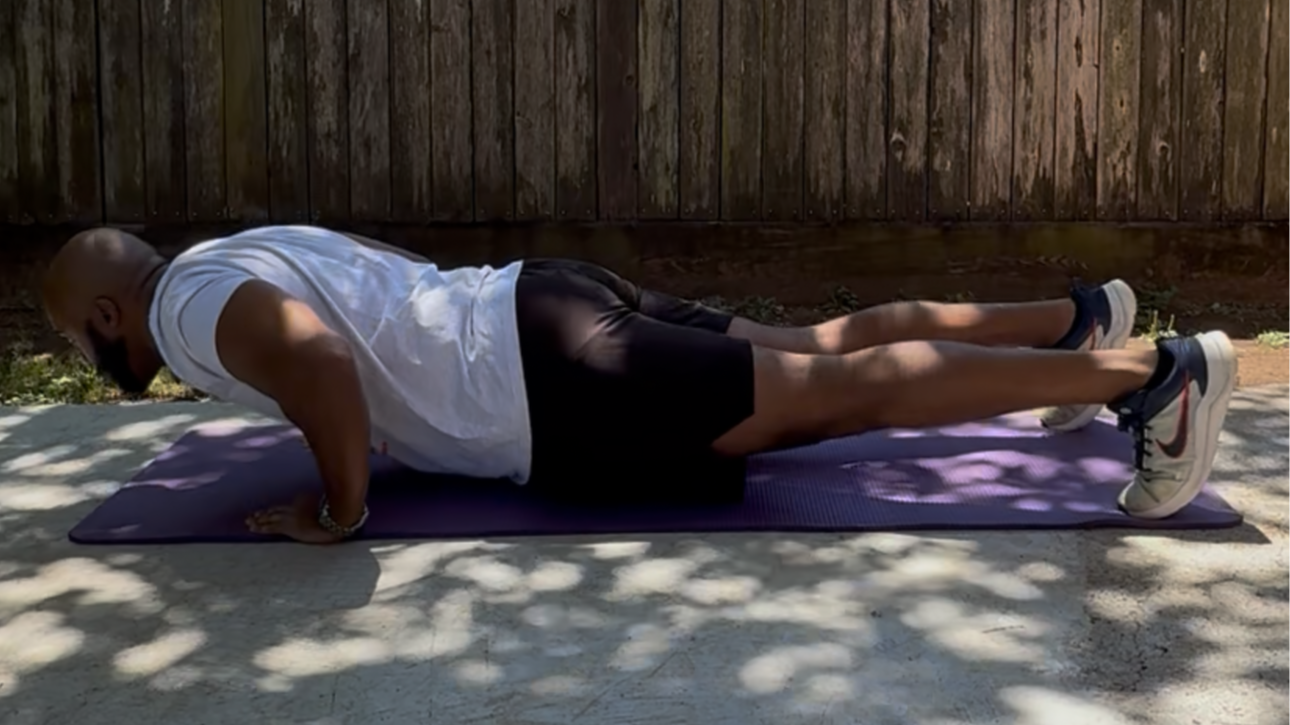
Performing the Plyometric Push-up Exercise
Aerobic Warm-Up
5 to 10 minute walk or light jog on treadmill
Movement Prep
Cable Face Pulls
External Rotations
Band Circles
Band Pull-Aparts
Workout
Include 2 to 3 ascending warm-up sets before working sets.
Flat Bench Press x Plyo Pushups
3 sets x 5 reps at 85-100% Intensity
10 explosive reps
Floor Presses x Superman Pushups
3 sets x 5 reps at 85-100% Intensity
10 explosive reps
BB or DB Pendlay Rows x Pullups
3 sets x 5 reps at 85-100% Intensity
10 reps
BB or DB Military Presses x Burpee Pullups
3 sets x 5 reps at 85-100% Intensity
10 reps
Cooldown
Full body stretching
Lower Body PAP Training
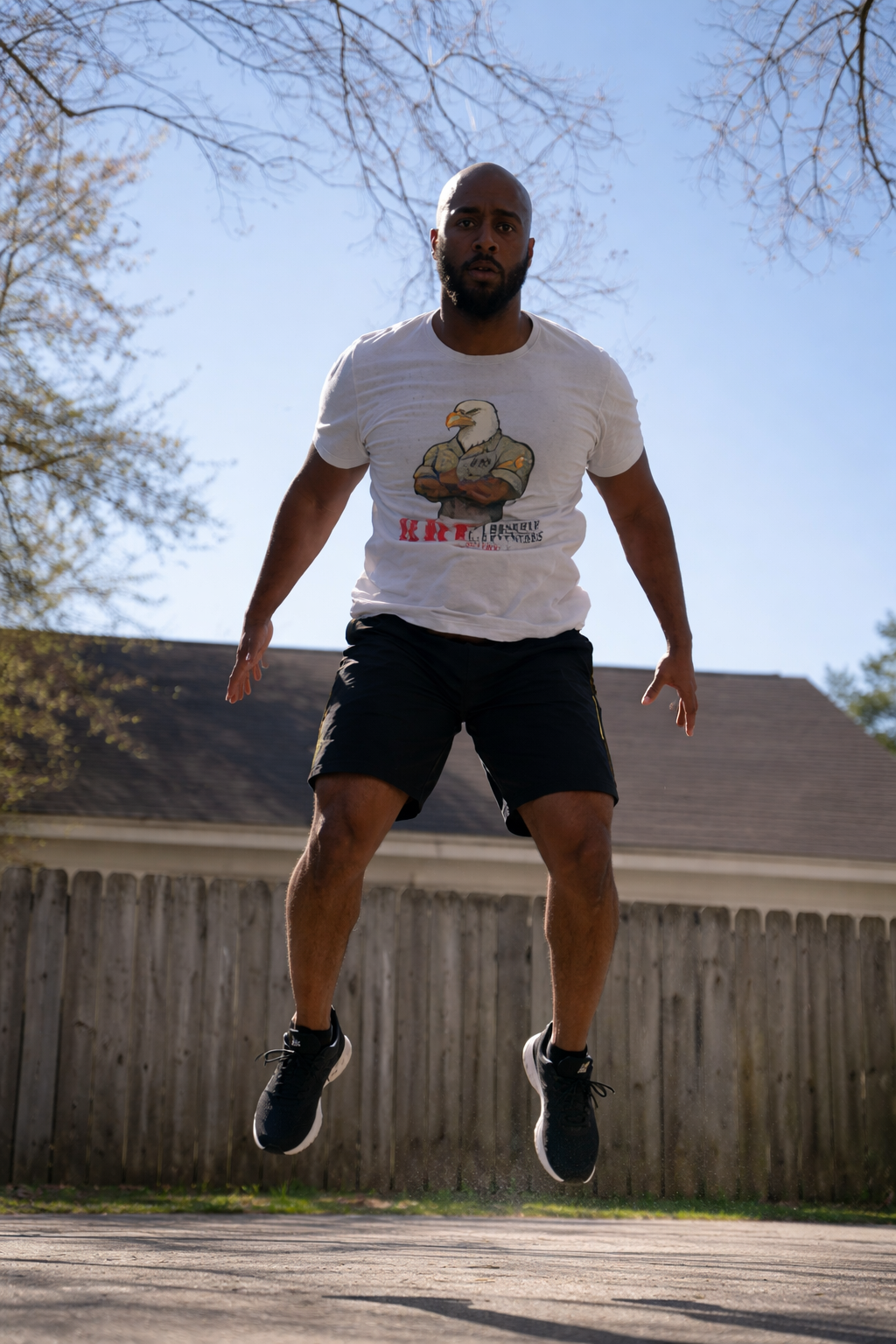
Performing the Jump Squat to Stabilization exercise
Aerobic Warm-Up
5 to 10 minute walk or light jog on treadmill
Movement Prep
Leg Curls, 2-3 rounds x 12-15 reps
Single-Leg Touchdowns, 2-3 rounds x 8-12 reps per leg
Seated Calf Raises, 2-3 rounds x 12-15 reps
Workout
Include 2 to 3 ascending warm-up sets before working sets.
Hex Bar or Barbell Deadlifts x KB or DB Swings
3 sets x 5 reps at 85-100% Intensity
10 explosive reps
Barefoot
Back Squats x Jump Squats
3 sets x 5 reps at 85-100% Intensity
10 explosive reps
Barefoot
DB Split Squats x Jump Lunges
3 sets x 5 reps per leg at 85-100% Intensity
10 reps
DB Walking Lunges x Power Step-Ups
3 sets x 5 reps per leg at 85-100% Intensity
10 reps
Cooldown
Full body stretching
Why This Workout Works
This setup blends heavy loading, explosive intent, and controlled volume. The heavy movement creates a high-force demand, and the explosive movement that follows gives the body a chance to express that force faster. NASM’s power-training guidance describes this style as pairing a high-load resistance exercise with a biomechanically similar explosive movement. Upper & Lower Body PAP Training for Strength and Explosive Power
PAP training pairs a heavy strength movement with an explosive movement in a similar pattern. NASM describes post-activation potentiation as an acute excitation of the neuromuscular system that can improve subsequent explosive performance.
This workout is built for strength, power, and athletic output.
References
Woelflein, M. (Unknown). Explosive Workout to Build Strength. Reference: https://blog.nasm.org/build-explosive-strength
Lorenz, D. (2011). POSTACTIVATION POTENTIATION: AN INTRODUCTION. Reference: https://pmc.ncbi.nlm.nih.gov/articles/PMC3164001/
Lecovin, G. (Unknown). Looking for a Sports Performance Edge? Add a Dose of Anticipation and Excitation. Reference: https://blog.nasm.org/sports-performance/looking-for-a-sports-performance-edge-add-a-dose-of-anticipation-and-excitation
