
How to Shop for the Right Personal Trainer for You
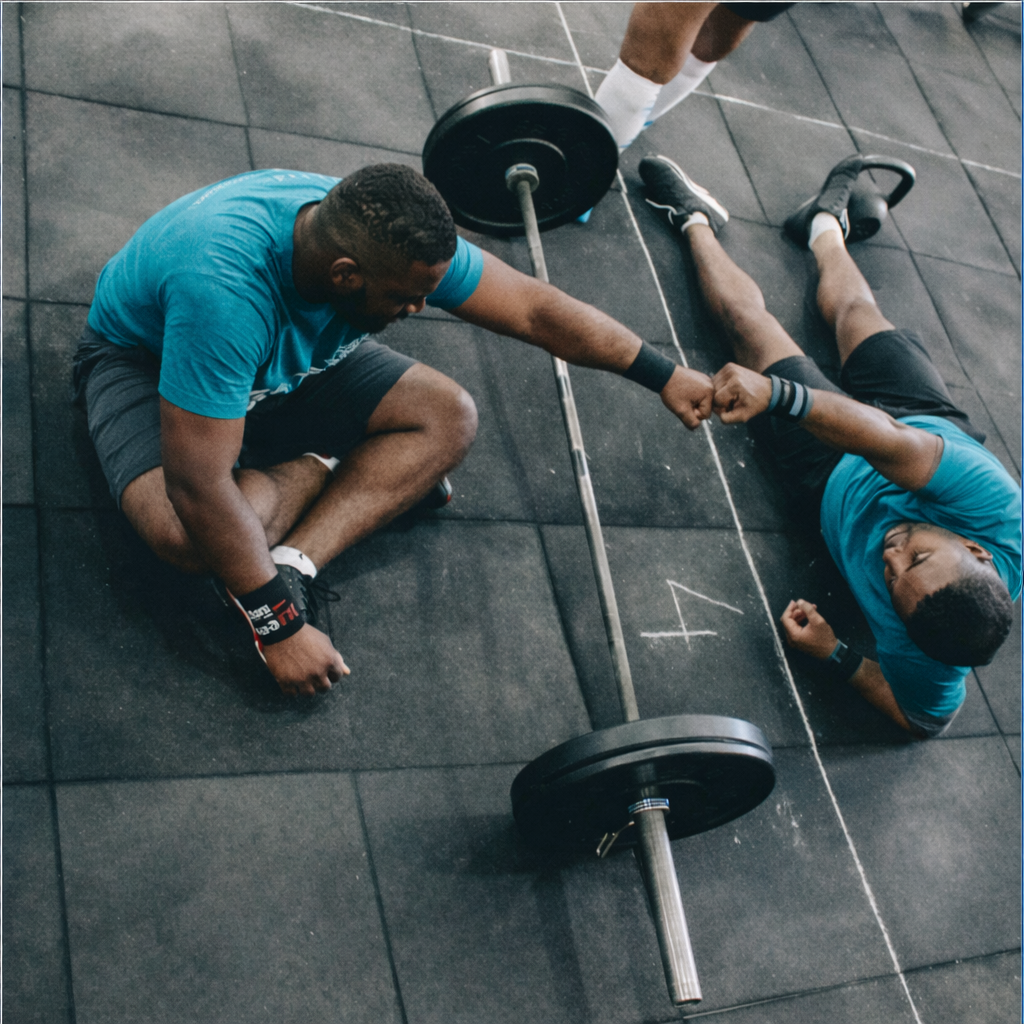
Personal trainer assisting a client after a barbell workout inside a gym, emphasizing coaching, safety, and accountability
Choosing the right personal trainer is an investment in your health, performance, and long-term success. The right coach should align with your goals, lifestyle, and expectations while helping you train safely, consistently, and effectively. Use this guide to make a confident, informed decision.
1. Identify Your Fitness Goals
Before beginning your search, clearly define what you want to achieve. Personal trainers often specialize in specific areas, including:
- Weight loss and body recomposition
- Strength and conditioning
- Injury rehabilitation or corrective exercise
- Sports-specific performance
- Nutrition and lifestyle coaching
Knowing your goals allows you to narrow your search and choose a trainer with relevant experience.
2. Ask for Referrals
Referrals from friends, family, or coworkers can help you find a trainer who has already been vetted by someone you trust. This can save time and reduce uncertainty when selecting a coach.
Note: Referred friends and family may qualify for discounts on select Ready Reserve Fitness programs.
3. Search Online Strategically
Online searches are one of the most effective ways to find a personal trainer. Be specific with your keywords and location. Examples include:
- “Weight Loss Coach Houston TX”
- “Virtual Personal Trainer for Beginners”
- “In-Home Personal Trainer Near Me”
You can also explore professional training platforms, social media, and fitness apps to review trainer profiles and services.
4. Review Experience and Credentials
A qualified personal trainer should hold a certification from a reputable organization or have formal education in a health- or fitness-related field. Look for trainers who:
- Hold nationally recognized certifications
- Demonstrate ongoing education
- Have experience working with clients who share similar goals
Credentials alone don’t guarantee results, but they do reflect professionalism and foundational knowledge.
5. Interview Potential Trainers
Treat personal training like any other professional service. Many reputable trainers offer an initial consultation or trial session. During this conversation, discuss:
- Your goals and timeline
- Availability and scheduling
- Training style and coaching philosophy
- Injury history or medical considerations
This step allows you to evaluate fit before making a commitment.
6. Assess Compatibility
Since you’ll communicate with your trainer regularly, compatibility matters. Consider:
- Personality and communication style
- Coaching approach (encouraging vs. more direct)
- Professionalism and boundaries
A strong working relationship improves consistency and long-term adherence.
7. Understand Pricing and Value
Personal training rates vary based on experience, service type, and session frequency. Lower cost does not always equal lower quality, and higher cost does not guarantee better results.
Focus on the value provided and whether the service supports your goals in a sustainable way.
8. Align Schedules and Logistics
Convenience plays a major role in consistency. Before starting, confirm:
- Location or virtual training options
- Availability that fits your routine
- Policies for cancellations and rescheduling
Clear expectations upfront help establish healthy boundaries.
9. Read Reviews and Trust Your Instincts
Client reviews and testimonials can provide insight into what it’s like to work with a trainer. Look for consistent feedback around professionalism, reliability, and results.
Ultimately, trust your instincts. You should feel confident that your trainer is knowledgeable, respectful, and invested in your progress.
Final Thoughts
Selecting the right personal trainer is a critical step toward improving your health and performance. Take your time, ask thoughtful questions, and choose a coach who aligns with your goals and values.
For more fitness and wellness resources, visit readyreservefitness.com.
